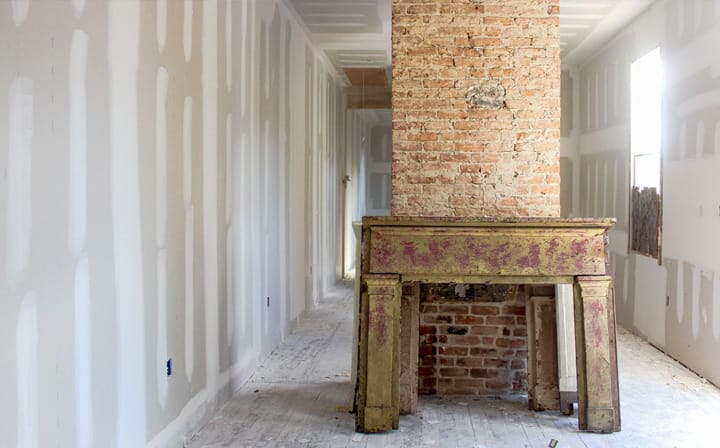
Our project, Preserving Green, will transform an architecturally significant house in the Holy Cross historic district of New Orleans into a LEED Platinum community center that will be free and open to the public throughout the year. Preserving Green is the first project that has support of both the U.S. Green Building Council and the National Trust for Historic Preservation. Along with the USGBC and the National Trust, other sponsors include Historic Green New Orleans and The Kresge Foundation. The community center located at 5200 Dauphine Street will serve as a critical "home" and meeting place for the local neighborhood association.
This project will build on the Preservation Resource Center's long-term commitment to sustaining the treasured Holy Cross neighborhood for its residents, many of whom are of modest means. Since Hurricane Katrina, PRC has invested $2 million in Holy Cross properties - buying, renovating, and then reselling architecturally noteworthy buildings, many to first-time homebuyers, to help restore and repopulate the community.
Holy Cross is part of the city's Lower 9th Ward, which was devastated by Hurricane Katrina. The neighborhood is just a few blocks from the Mississippi River and is where many descendants of slaves, free people of color, and immigrants settled after the Civil War.
It is believed that 100 percent of the buildings in the Lower 9th Ward were damaged by Katrina. However, unlike other parts of the Lower 9th Ward, most of the buildings in Holy Cross remained standing after the flood.
Before the hurricane, 42 percent of the people living in the neighborhood were homeowners, and more than a third of the households earned less than $15,000 a year. Today, an estimated 38 percent of Holy Cross residents, and 18 percent of Lower 9th Ward residents overall, are full-time residents.
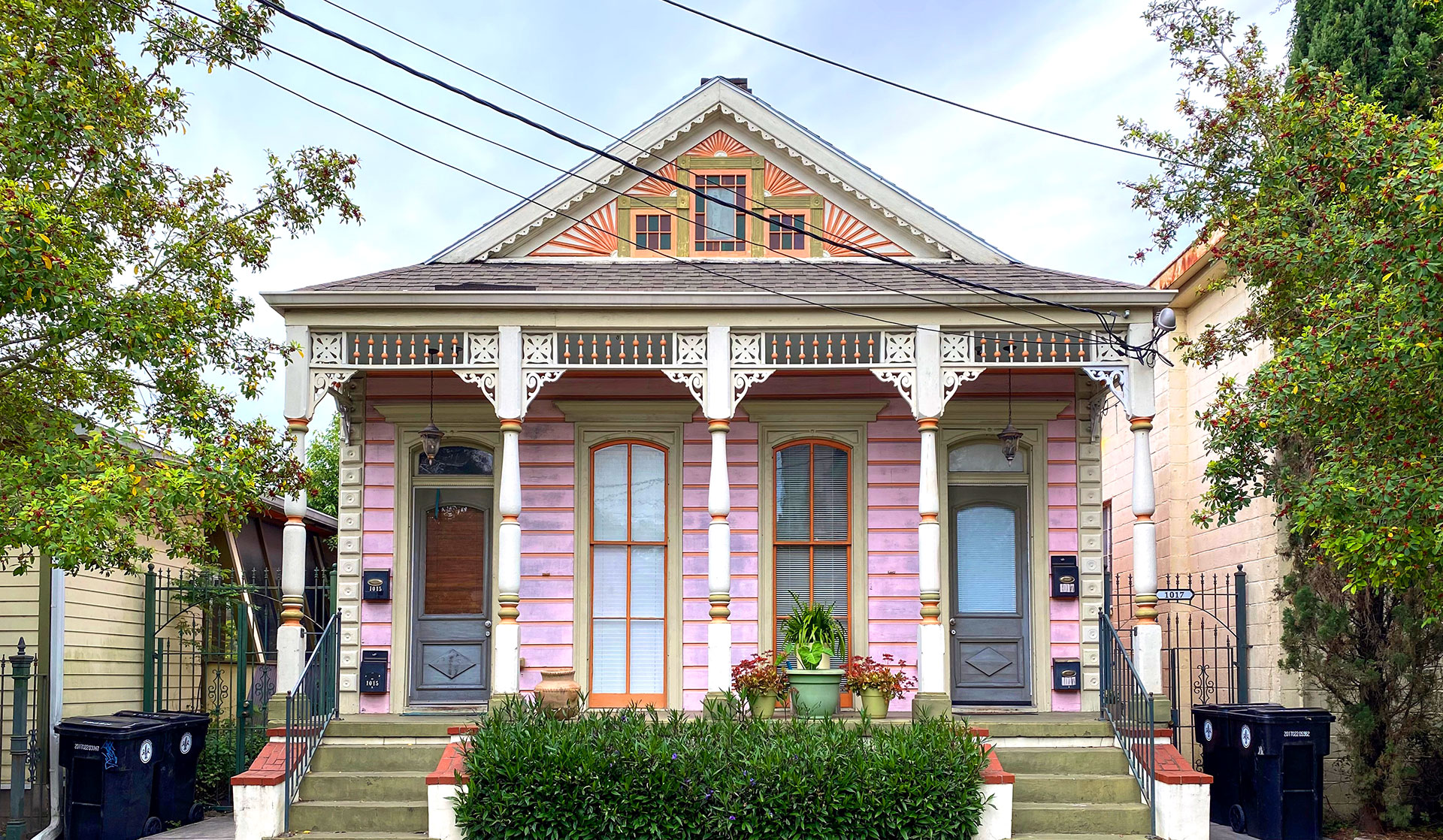
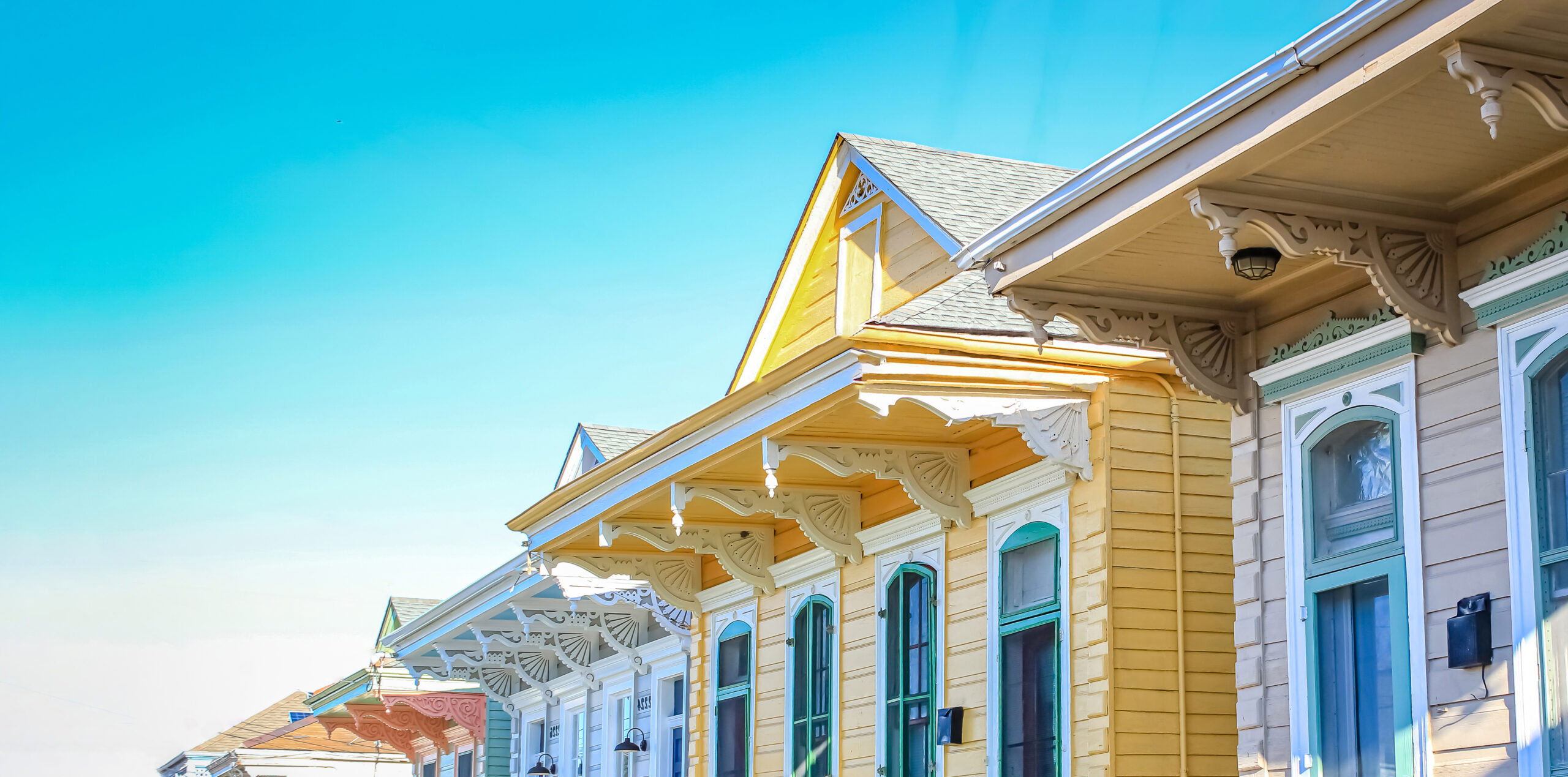
The PRC has planned the reconstruction of a central, visible, and quintessential "camelback" house built about a century ago. The building will be used as a community center to serve as the home and central gathering place for the neighborhood association, and to link residents to green building technologies and materials and training opportunities.
Currently, neighborhood meetings are held in the Greater Little Zion church, which is small and ill-equipped to handle the many residents who converge each week to gain information about the rebuilding of their neighborhood. The new building site located at 5200 Dauphine Street is a site near bus lines, housing, and businesses. The building will use and model water efficiency, energy efficiency, salvaged materials, and indoor environmental quality materials and strategies to rebuild a LEED building which is completely respectful of the historic character of the neighborhood, while becoming a resource to a community that has set tough climate goals for itself.
"Sustainability" applies in two senses for this Preserving Green project. First, the building itself will prove its sustainable accomplishments by achieving third-party verification through LEED certification, with a goal of achieving LEED Platinum. Second, it will "sustain" the Holy Cross Neighborhood Association - a vital, vibrant, well-established organization deeply engaged in the rebirth and rebuilding of this historic neighborhood - by providing the group a central gathering place, to be known as the Lower 9th Ward's Center for Sustainable Engagement and Development. With the help of funders, it will be donated to the Holy Cross Neighborhood Association. The new center will be free and open to the public throughout the year. Once work is completed, PRC will stay engaged, closely monitoring maintenance and long-term preservation, and using the site to present localized workshops and programs for area residents.
For more information about the Preserving Green project, click here.
To see architectural renderings of the Preserving Green project, click here.
To see projected floor plans of the Preserving Green project, click here.